

Call us now
07971191854
Call us now
07971191854
INTRODUCTION
Vacuum & Safety Valves is suitable for all kinds of water heaters and the container and steam system.
USING METHOD
Vacuum & Safety Valves is suitable for all kinds of water heaters and the container and steam system. When water heater and steam system present the vacuum state, can open the system that originally closed automatically, make it dispel the vacuum state that may appear while entering air. Prevent from because siphon water in being function systematic take out and cause container collapse or water heater wait for device to be braised to burn.
TECHNICAL PARAMETER
| Model | Size In | Adapter In | High mm | Wide mm | Weight g |
| 15 | 1 /2 | R 1 /2 | 2 | 2 | 108 |
NORMAL CONDITION OF WORK
Vacuum & Safety Valves should be installed on the water heater top. Maximum working pressure: 1.38Mpa; Maximum steam working pressure: 1.034Mpa.
Maximum temperature: 121
Designed and checked under ANSI Z21.22 RELIEF VALVES
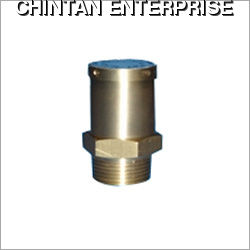

Price:
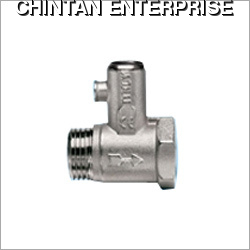
Price 100-300000 INR / Unit
Minimum Order Quantity : 1 Unit
Port Size : 1/2 inch to 4 inch
Type : Safety Relief Valve
Connection Type : Flanged / Screwed End
Disc : Stainless Steel / Brass
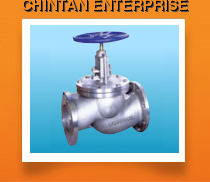
Price 100-300000 INR / Unit
Minimum Order Quantity : 1 Unit
Port Size : 1/2 inch to 12 inch
Type : Globe Valve
Connection Type : Flanged, Screwed, Butt Weld
Disc : Renewable / Solid
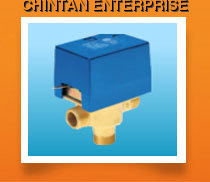
Price 100-300000 INR / Unit
Minimum Order Quantity : 1 Unit
Port Size : 1/2 to 2
Type : 2 Way & 3 Way
Connection Type : Threaded (BSP) female ends
Disc : Brass disc
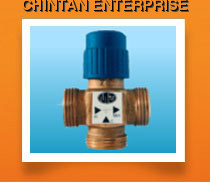
Price 100-300000 INR / Unit
Minimum Order Quantity : 1 Unit
Port Size : 1/2 inch, 3/4 inch, 1 inch
Type : Thermostatic Mixing Valve
Connection Type : Threaded (BSP/NPT)
Disc : Brass plated / engineering thermoplastic


|


 Send Inquiry


 Send Inquiry
