About Check Valves/NRV
Check Valves/NRV
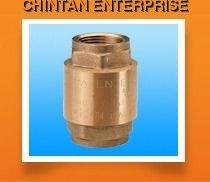
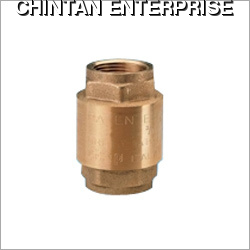
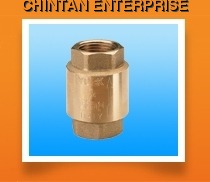
A Check Valve is a mechanical device that allows fluid (liquid or gas) to flow through it in only one direction. Basically Check valves are also known as two-port valves, as they have two openings in the body, one for fluid to enter and the other for fluid to leave.
Versatile Connections & DesignAvailable in wafer, flanged, and screwed configurations, these check valves accommodate a broad spectrum of installation needs, from compact process layouts to robust water supply systems. The streamlined body design reduces pressure drop, making them ideal for both new projects and system upgrades.
Corrosion-Resistant & DurableAll valves feature epoxy powder coating to guard against corrosion, ensuring reliable service in harsh environments. Valve bodies are crafted from durable materials like cast iron, ductile iron, stainless steel, and carbon steel, suited to diverse media such as water, oil, gas, and steam.
Certified Performance & Easy MaintenanceBuilt to ANSI/ASME specifications, these valves are pressure tested for shell and seat integrity, guaranteeing dependable backflow prevention. With automatic, flow-activated operation and minimal maintenance requirements, they are engineered for long-term performance in demanding industrial applications.
FAQs of Check Valves/NRV:
Q: How are these check valves installed, and in which positions can they operate?
A: These check valves can be installed in both horizontal and vertical pipelines, offering flexibility for varied industrial layouts. Their end connections, including wafer, flanged, and screwed options, allow quick and secure mounting suited to your projects requirements.
Q: What types of fluids can these check valves handle?
A: The valves are compatible with a variety of working fluids such as water, steam, oil, and gases. With different seat and seal materialsEPDM, NBR, PTFEthey can reliably handle corrosive, high-temperature, or general-purpose media.
Q: When should I select a check valve with a metal, rubber, or PTFE seat/seal?
A: Choose the seat/seal material based on your applications media and operating temperature. Metal seats suit high temperatures or abrasive fluids, rubber (NBR/EPDM) for water or neutral liquids, while PTFE offers excellent chemical and temperature resistance for aggressive chemicals or steam.
Q: Where are these check valves most commonly used?
A: They are extensively used in industrial pipelines, water supply networks, process industries, and for oil and gas control. Their robust design makes them a practical solution for both new installations and maintenance replacements.
Q: What is the process for testing these valves before dispatch?
A: Every valve undergoes stringent pressure testing as per international standardsshell tests at 1.5 times the working pressure, and seat tests at 1.1 timesto ensure there are no leaks and reliable backflow prevention in operational conditions.
Q: How does the automatic operation of these check valves work, and what is the benefit?
A: These valves operate automatically, opening or closing in response to the flow differential in the pipeline, eliminating the need for manual intervention. This feature reduces maintenance, prevents reverse flow, and enhances pipeline safety and efficiency.






 Send Inquiry


 Send Inquiry
