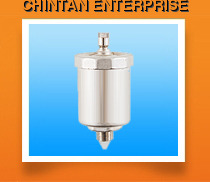
About Automatic Air Vent Valve
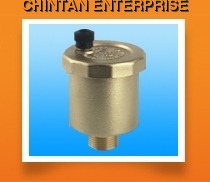
HYDRAULIC FEATURES The automatic air vent is used to discharge air-pockets in the heating system.
The automatic isolating valve allows the valve to be disassembled even if the system is working without any leakage of water.
TECHNICAL FEATURES Max inlet working pressure: 10 bar
Max temperature (water): 110° C
Threading for Waterworks: UNI ISO 228/1
CONSTRUCTION ITEM 0502
Body in brass UNI EN 12165:98
Plug in brass UNI EN 12165:98
Float in polypropylene (PP)
Reliable Air Release in Heating and Cooling SystemsThis automatic air vent valve is ideal for maintaining optimal system performance in closed heating and cooling circuits. Its vertical design ensures continuous, automatic release of trapped air without manual intervention, safeguarding against air blockages and corrosion. The robust construction and zero-leakage assurance make it a valuable addition to any HVAC setup.
Engineered for Versatile Media CompatibilityThe valve is compatible with water, glycol mixtures, and air, meeting diverse system needs. Its high-strength polymer cap and brass components provide long-lasting durability while resisting corrosion. Designed for threaded 1/2 inch BSP connections, it facilitates seamless integration in various piping layouts.
FAQs of Automatic Air Vent Valve:
Q: How does the automatic air vent valve work?
A: This valve operates using a float type mechanism. As air accumulates in the system, the float drops, opening the vent cap to release trapped air. When fluid displaces the air, the float rises and the valve reseals, ensuring zero leakage under the specified pressure range.
Q: What installation position is required for optimal performance?
A: The valve is designed strictly for vertical installation. Installing it vertically ensures the float mechanism functions correctly and delivers effective automatic air release.
Q: When should I use an automatic air vent valve in my system?
A: Install this valve in closed-loop heating or cooling systems where air accumulation can obstruct flow or cause corrosion. It is especially beneficial during system filling and operation to maintain consistent performance.
Q: Where can this valve be installed within a system?
A: The valve should be installed at system high points or locations where air tends to accumulate, such as risers, boiler outlets, or atop radiatorsalways maintaining a vertical orientation.
Q: What is the benefit of using a high-strength polymer cap and brass body?
A: The combination offers excellent durability and corrosion resistance, even when exposed to aggressive glycol mixtures, while the high-strength polymer cap reduces overall weight and aids longevity.
Q: Is any electrical power required for operation?
A: No, the valve operates automatically using a mechanical float mechanism, requiring no external power or manual intervention.
Q: How does the valve ensure system safety and efficiency?
A: By automatically removing trapped air, the valve prevents air lock and corrosion, enhancing heat transfer efficiency and prolonging system component life. Its zero leakage design further safeguards the system from fluid loss.






 Send Inquiry


 Send Inquiry
